May not display properly in FireFox 3. Please upgrade your browser.
Replay

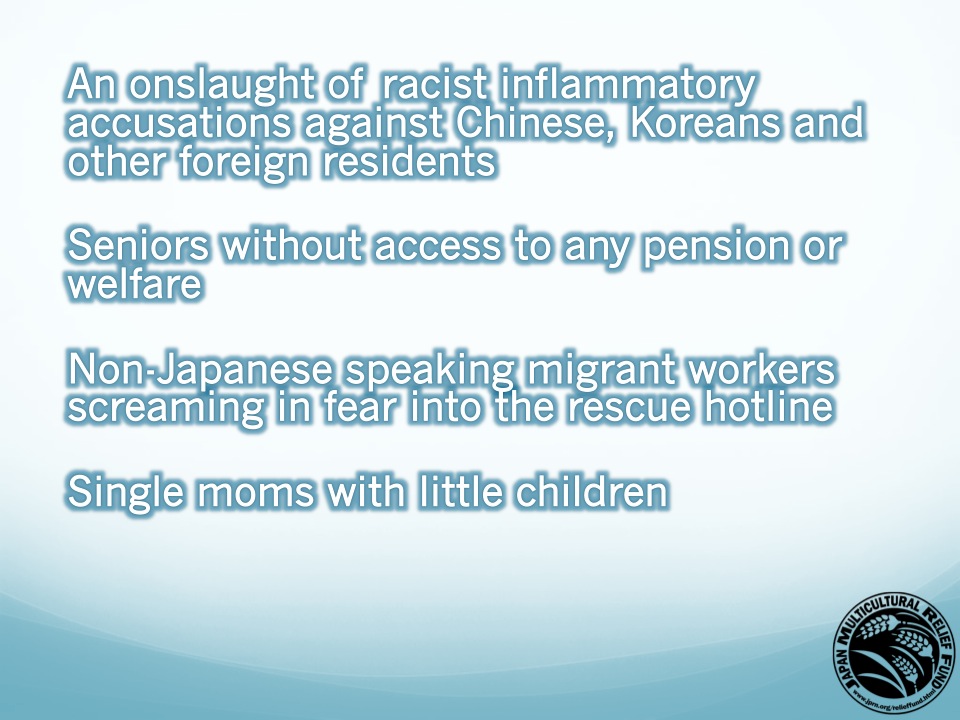
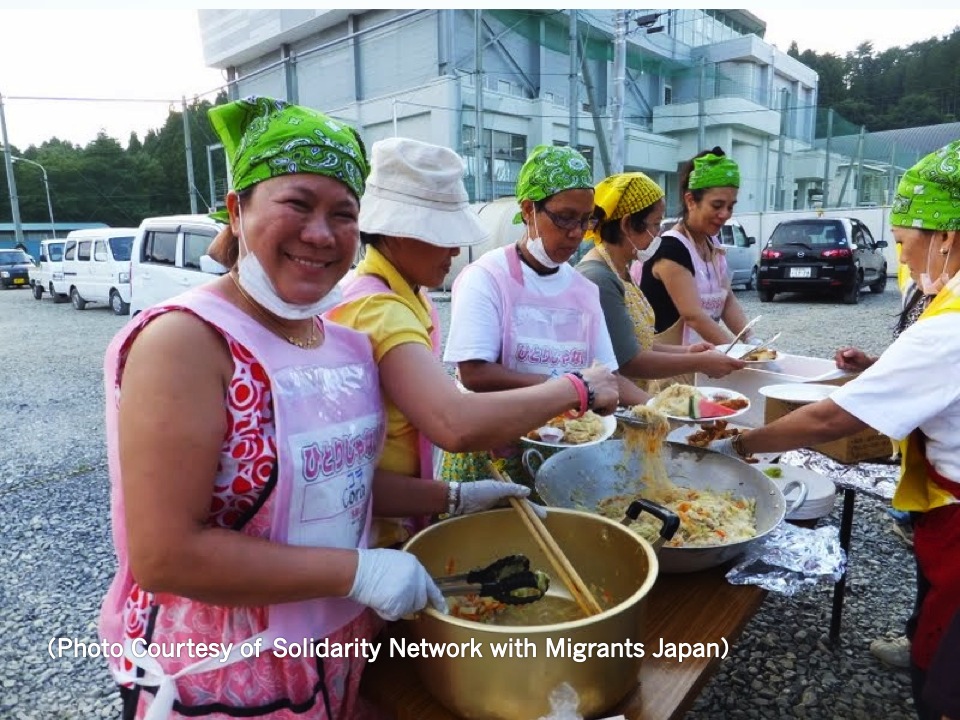
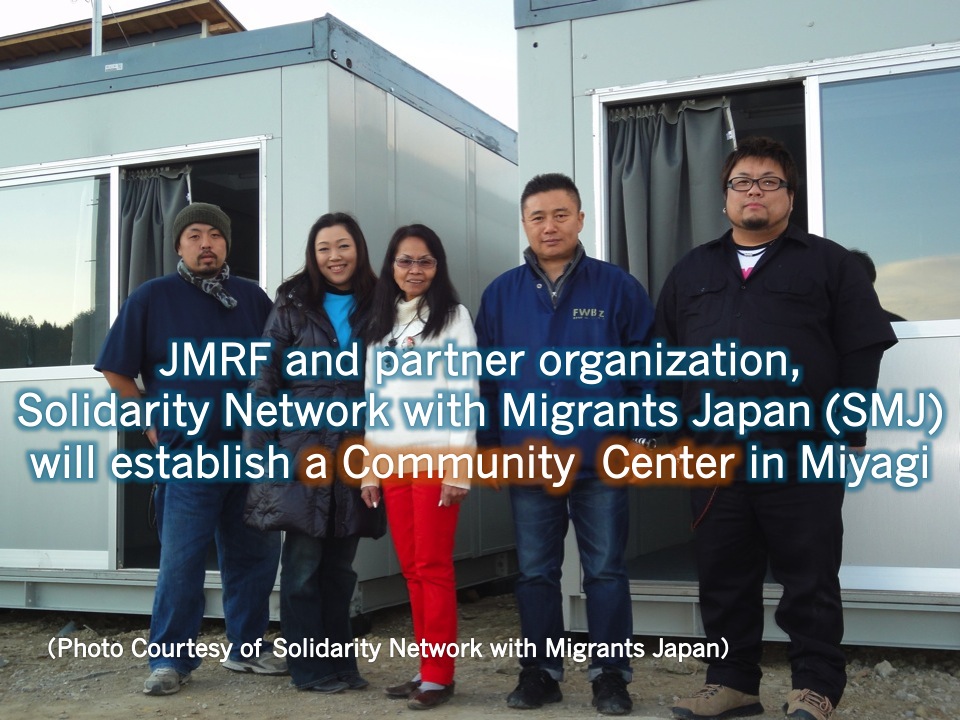
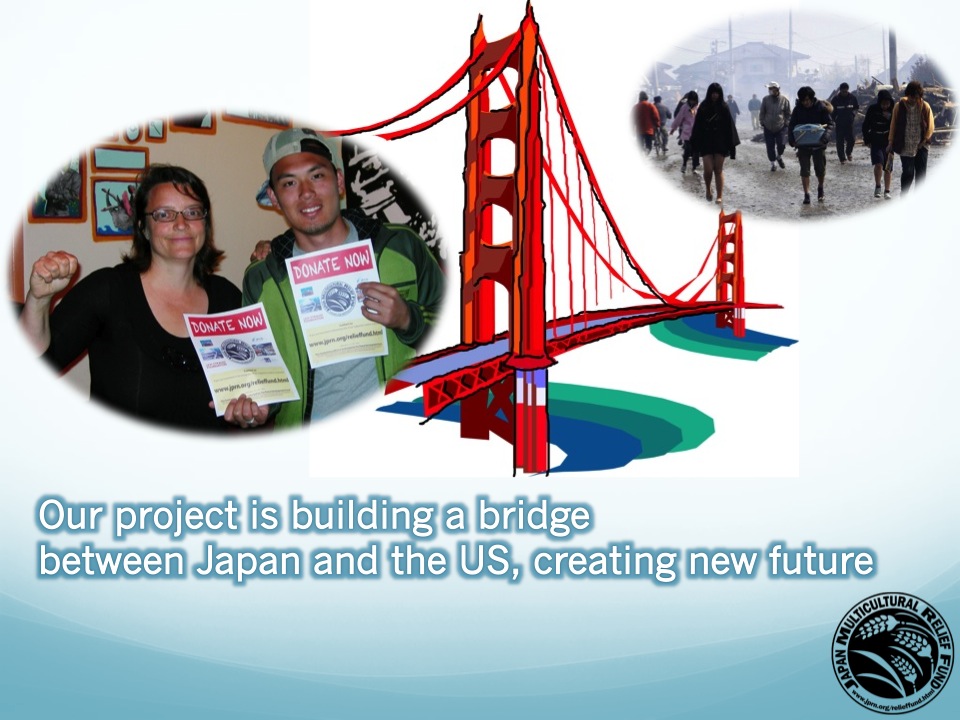
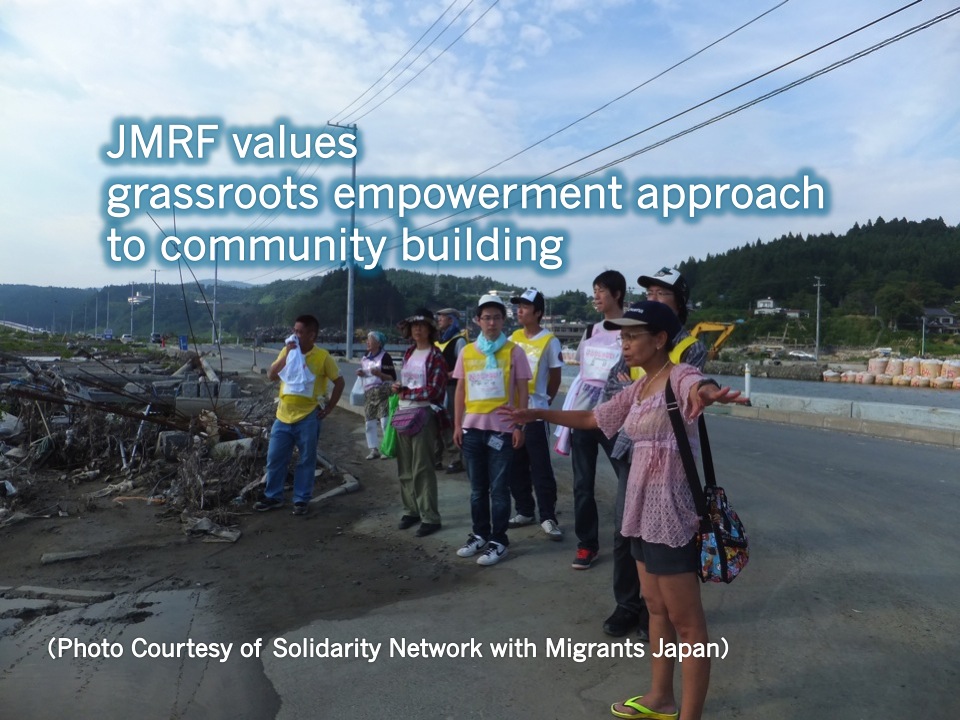
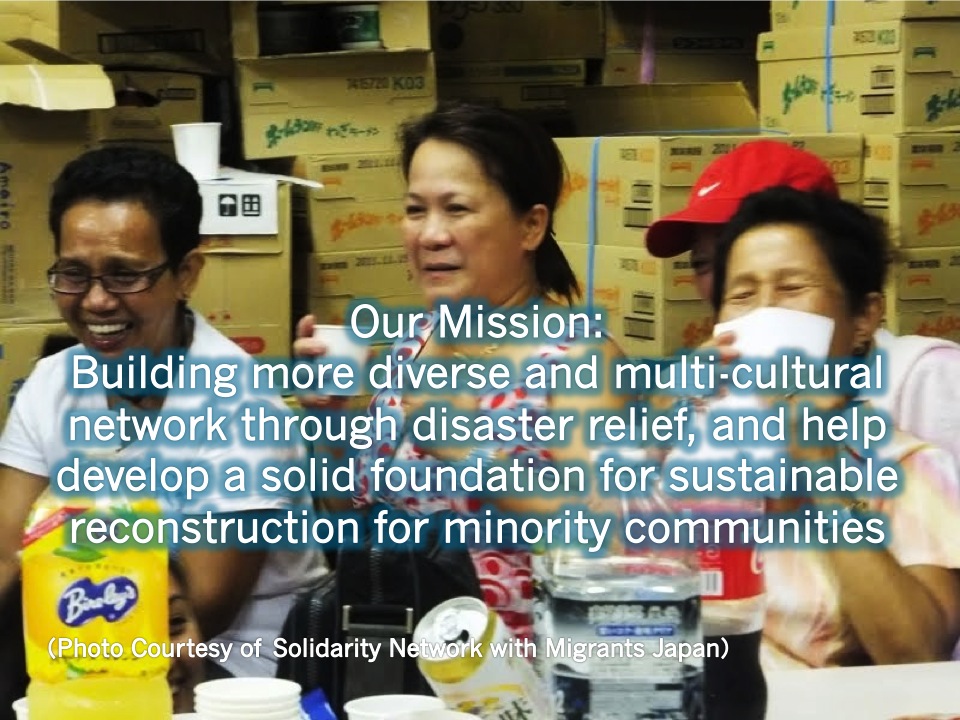
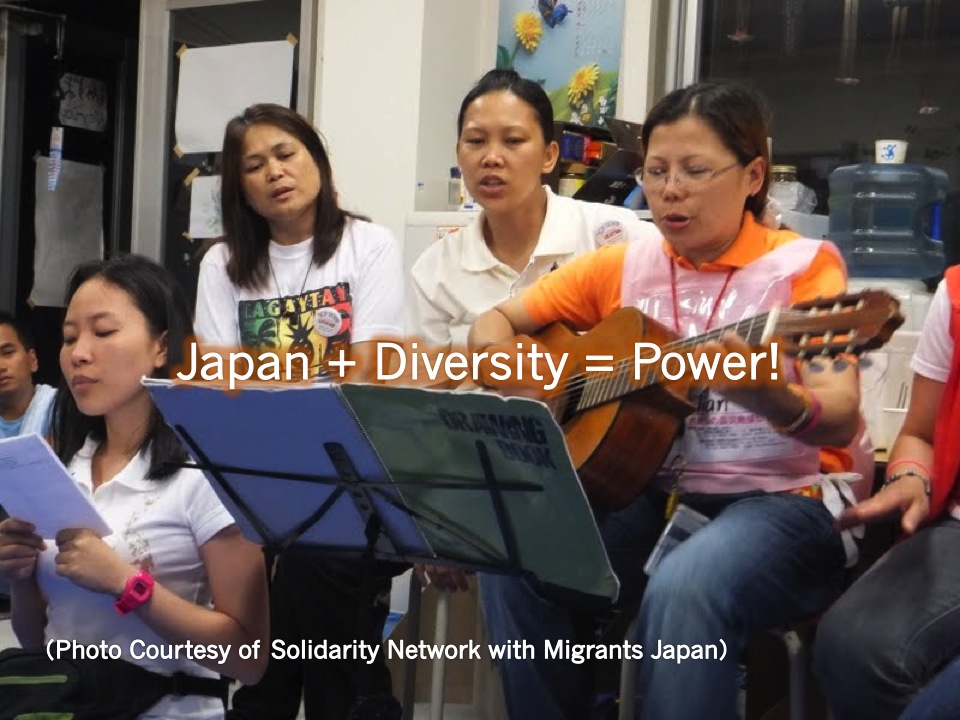
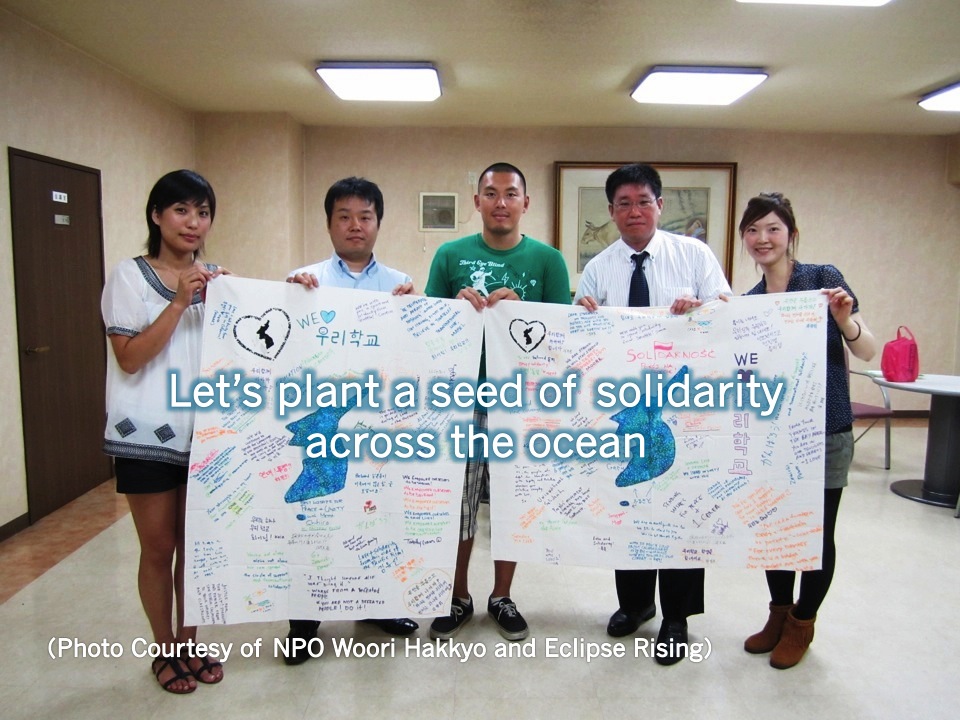
The Japan Multicultural Relief Fund (JMRF), a U.S.-based grantmaking program jointly established by Japan Pacific Resource Network (JPRN) and Eclipse Rising in March 2011 in the wake of the Great East Japan Earthquake and Tsunami, is dedicated to the empowerment and leadership by and for vulnerable communities in the post Tohoku disaster region towards and inclusive and multicultural Japanese society.

Featured

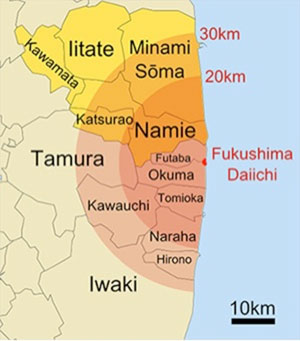
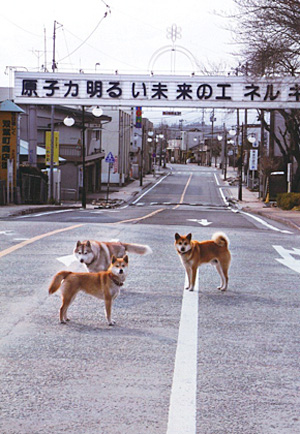
A place covered with heavily grown grasses: Fukushima

Photo courtesy japanese.china.org.cn/
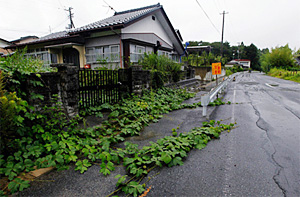
Photo courtesy CNN
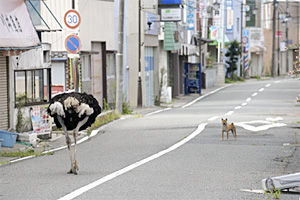
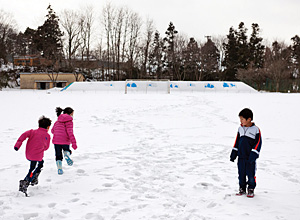
Photo courtesy mytown.asahi.com

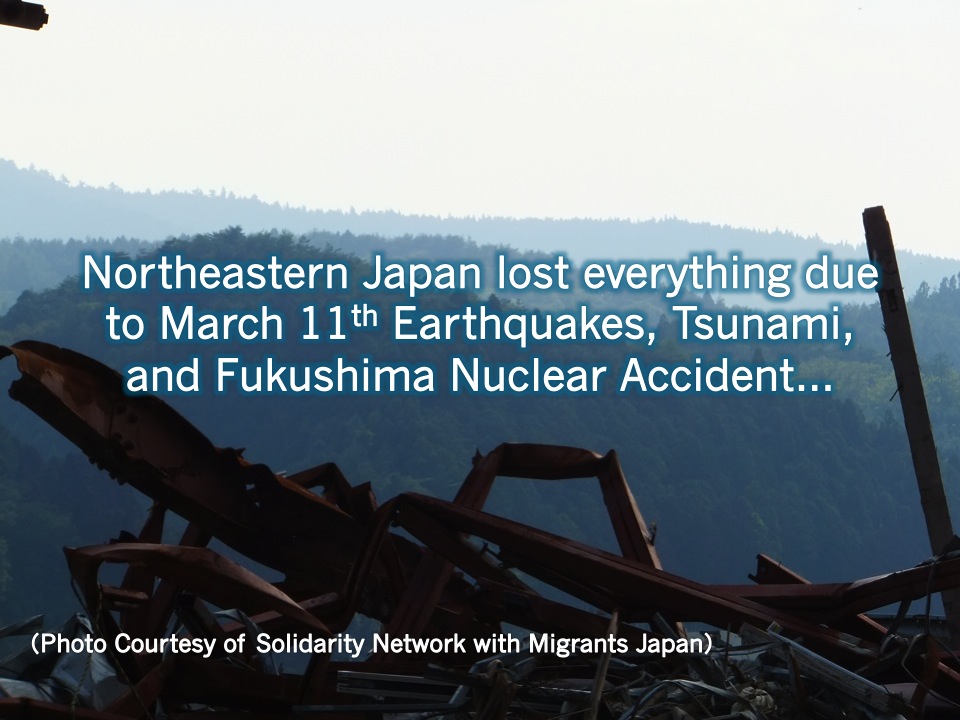
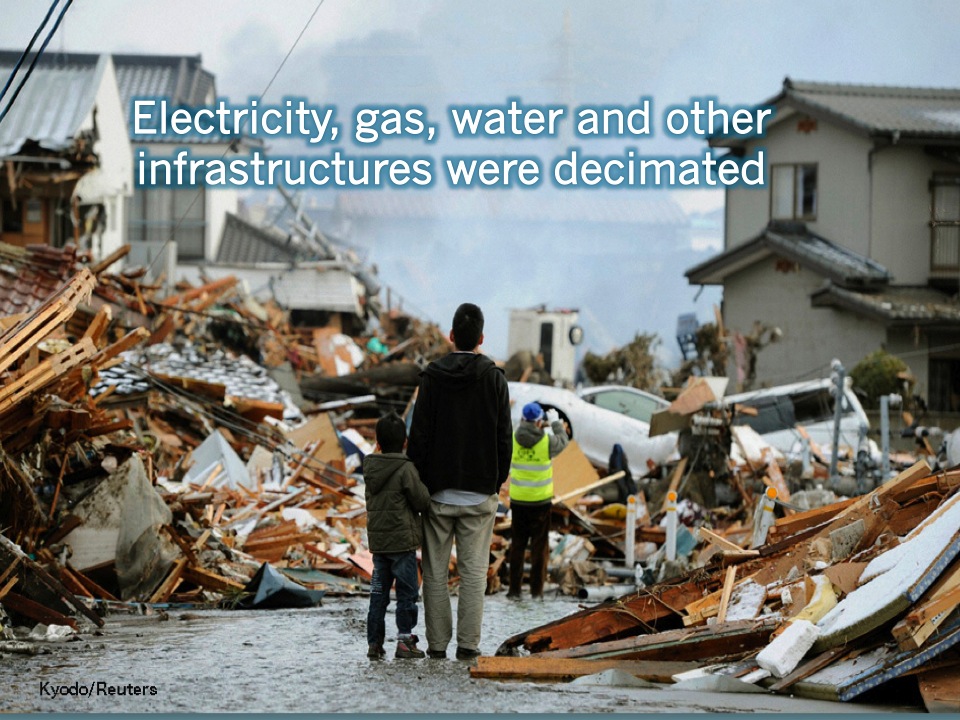
In this world, there are number of places that used to be very lively and full of vitality, but became desolate no-man's land. Fukushima prefecture in Japan is not an exception. After the huge earthquake in March 11th 2011, people had to evacuate from the prefecture, which was contaminated by the radiation. This radioactive contamination was created by the Fukushima nuclear plant, which was heavily damaged by the tsunami on March 11th.

The families, workers, children….all people in the town near the nuclear plant were forced to leave their hometown. Today, there are more than 40,000 people are being forced to live at an evacuation site. More than 300,000 people are living at a temporary house. Children are being apart with their friends and enter school at the surrounding prefectures. Students from Fukushima are being discriminated at the certain school due to a suspicion that they might bring radiation. Recently, kindergartens from Fukushima were refused to enter a nursery school in Yamanashi prefecture. The increasing discrimination against innocent people in Fukushima shows no signs of stopping. Biased, rapid information provided by the mass media produced a huge prejudice toward everything related to Tohoku region, especially Fukushima.

Towns in Fukushima became ghost towns. Without humans, the roads are being covered with ivy and weed. Some plants grew too large that they are reaching the height of the humans. Nobody lives here, but there are animals everywhere in the town. These animals came from the farms, zoo, and normal houses. Most of them are pet animals. Owners needed to make a harsh decision to leave their pet animals, who are the important member of the family. The scenery of an ostrich walking in a residential area seems to be very unnatural. Can people believe that the humans used to live here until the last year? Can people accept the reality that this is Japan? After a year, the passionate, favorable feeling that the people in Japan had toward the victims are decreasing. In fact, most people lost interest. The disaster had not ended yet. There are places and people that still need help.

Related articles/links:

世界のゴーストタウンを歩く:雑草が生い茂る福島の町
http://japanese.china.org.cn/life/txt/2012-03/26/content_24987309.htm

東日本大震災から1年 写真で振り返る復興と現在
http://www.cnn.co.jp/photo/7652-10000275.html

福島から避難の子ども、入園断られる 山梨の保育園
http://www.asahi.com/national/update/0302/TKY201203020761.html

全国の避難者等の数
http://www.reconstruction.go.jp/topics/20111221hinansya.pdf

4/13 San Jose, 4/14 LA Film Screening:
FUKUSHIMA Never Again

There will be a film screening of the "Fukushima, Never Again" in San Jose and LA next weekend, directed and produced by Bay Area filmmakers, Steve Zeltzer and Kazumi Torii. These events are organized by our ally, No Nukes Action Committee.

April 13th 7PM
San Jose Peace and Justice Center
48 S. 7th St., San Jose, CA

San Jose Green Party will host FNA screening as a part of their movie night program.

Refreshment and food will be served from 6:30PM. Umi Hagitani will attend and moderate post-screening discussion.

More info at:
No Nukes Action Committee website

April 14th 2-6PM
Southern California Library
6120 S. Vermont Ave, Los Angeles, CA, 90044

The Southern California Library and Yushi Yamazaki from LA will host a screening (plus speakers and discussion).

$5 donation requested (no one turned away due to lack of funds)

Please contact Yushi Yamazaki 323-401-3035 or yushiyam@usc.edu

More info at:
Facebook event page
No Nukes Action Committee website

Occupy Berkeley Sit-In Knit-In Project

Fukushima protesters wearing hand-knitted hats and scarves provided by Occupy Berkeley’s Sit-In & Knit-In Project at Tokyo Electric Power Company (TEPCO) on December 28, 2011 (Photo courtesy of Ruiko Muto)

Japan Multicultural Relief Fund Connect the Occupy Berkeley and Fukushima Women's Anti-Nuclear Movement

In December 2011, Occupy Berkeley's "Sit-In & Knit-In" project sent a box of knitted hats and scarves to women from Fukushima who protested at Tokyo Electric Power Company (TEPCO) and the Ministry of Economy and Industry in Tokyo.

The "Sit-In & Knit-In" project started as a global solidarity action with Tahrir Square in Cairo, and Wall Street in New York. In December, Maxina Ventura, an organizer of the project contacted Japan Multicultural Relief Fund (JMRF), organized the knitting, and sent it in a box to Fukushima. Women from Fukushima received the box, and wore the knitted goods at the protest site in front of TEPCO.

Ruiko Muto, a Fukushima woman who organizes Hairo Action says, "We are very happy about our solidarity with the Occupy movement in Berkeley. Even though we are sad to hear that police raided Occupy Berkeley, we know that they can never suppress your sprits, and our solidarity. Let's continue building a better world hand in hand. We are empowered by connecting with women across the ocean. Every circumstance seems to stand against us, but we know that women survive through this. Our deep compassion, our abilities to create new ideas, and our strength without resorting to violence is what will change the world."

This international solidarity gift was made possible by Hairo Action, Ruiko Muto, Hiroko Aihara, Nobuyo Goto, Occupy Berkeley, No Nukes Action Committee, Sacred Sites Peacewalk For a Nuclear Free World, and the citizens of Berkeley.

Japan Multicultural Relief Fund will continue to support this grassroots seedling in all its endeavors. Please help us support this effort! If you are interested in connecting Fukushima and Bay Area women, contact Akane at akane@jprn.org

"Amid invisible terror, we were witnesses"

By: Arata Maeda, a member of Fukushima Farmers’ Alliance; resident of Aizumisato, Fukushima Prefecture
Location: Aizu Misato
Japan Family Farmers Movement News
July 17, 2011
Translated by Andrew Barshay, Professor of History, University of California Berkeley.
Editied by Fusako de Angelis

Assaulted by invisible terror
Even now, after four months
We remain driven from our birthplace, our hometown
At Level 7, with no change in the situation
Tens of thousands of livestock starved to death
In the deserted villages.
Only the stink from their corpses rises into the air

Across the mountains and rivers of our native land
Stolen by something that will not show itself,
The seasons pass, as if nothing at all had happened

There, where the cuckoo cries,
can it be only in our dreams
That we toil and sweat?
There, where we cannot even set foot!

Once, long ago, it was our country’s policy
that we were driven to Manchuria
There, after our country’s defeat, we were ordered to commit mass suicide
To escape back home we had to abandon our children

And now, as then, these homes of ours
are destroyed as our country’s grand plans again collapse in ruin

This time, although it’s a slow death that takes its time in coming
Just as on that day, isn’t it forced collective suicide all over again?
Isn’t it the human experiments of Unit 731 all over again?

Friends, friends, we can’t just stand here grieving and crying,
Over these four month’s, amid invisible horror,
What we have witnessed with our own eyes
Is the true face of terror that says:
No matter what,
For profit’s sake, the reactors must stay on

All right then! If that’s how it is
We’re ready to take them on,
for the sake of our children and their children

Just like the Kanto Army before them,
these bastards hid the facts,
and were the first to run from danger.

And now they wear an innocent face
and prattle on, about safety and reconstruction

No way will we let them take these lives so easily!
Oh friends, friends. My dead friends.

前田新(まえだ あらた) 福島県農民連 会津美里町在住

『しんぶん農民』(2011年7月17日)

見えない恐怖のなかでぼくらは見た

見えない恐怖に脅かされて
4ヶ月も過ぎたいまも
ぼくらは、ふるさとの町を追われたままだ
レベル7、その事態は何も変わっていない
何万という家畜たちが餓死していった
人気のいない村に、その死臭だけが
たちのぼっている

姿を見せないものに
奪われてしまったふるさとの山河を
何ごともなかったように季節が移ってゆく
郭公が鳴くそこで、汗を流して働くのは
もう、夢のなかでしかないのか
ぼくらは、そこに立ち入ることもできない

かつて、国策によって満州に追われ
敗戦によって集団自決を強いられ
幼子を棄てて逃げ帰ってきたふるさとを
あの日と同じように、一瞬にして
国策の破綻によって叩き壊された
しかもこれは痛みのない緩慢な死だが
あの日と同じ集団自決の強要ではないのか
731部隊の人体実験ではないのか
なかまよ、悲しんで泣いてはいられない
この4ヶ月の間、見えない恐怖のなかで
ぼくらがこの眼でみたものは

それでも、儲けのために
原発は続けていくという恐怖の正体だ

よし、そうならば
ぼくらも孫子のために、腹をすえてかかる

かつて関東軍のように、情報を隠し
危ないところからは、さっさと逃げ帰って
何食わぬ顔で、安全と復興を語る奴らに
そう簡単に殺されてたまるか
なかまよ 死んでいった、なかまよ

1 Unit 731 (Japanese: 731 部隊 Nana-san-ichi butai) was a covert biological and chemical warfare research and development unit of the Imperial Japanese Army that undertook lethal human experimentation during the Second Sino-Japanese War (1937-1945) and World War II. It was responsible for some of the most notorious war crimes carried out by Japanese personnel.

Fukushima, The Lessons of Nuclear Power and the Media

Visit the No Nukes Action Committee website for more details.

Other News

4/30

Japan to Extend Temporary Housing Occupancy Period

Tokyo, April 17 (Jiji Press)–Japan’s Health, Labor and Welfare Ministry said Tuesday it will allow March 2011 disaster survivors to live in temporary housing for one more year after the initially set occupancy period is over.

The ministry also decided to add water-reheating functions to baths and set up storage facilities for furniture at prefabricated houses in temporary housing compounds.

Currently, the victims of the March 11 earthquake and tsunami, mostly in northeastern Japan, are allowed to live in temporary housing for up to two years in principle.

But the ministry thinks it necessary to extend the period because many of the evacuees are unlikely find and settle in new homes any time soon.

A total of 300,000 afflicted people are now living temporarily in some 50,000 prefabricated houses and 70,000 leased private houses, both provided by local municipalities, according to the ministry.

4/13

Japan's untouchable workers

Japan's long-discriminated-against rendered as Nuclear Day Laborers in Fukushima post-meltdown cleanup, exposing Environmental Racism, Japanese style In the aftermath of the disaster at the Fukushima-Daiichi Power Plants, owned by the Tokyo Electric Power Company (TEPCO), "a systemsimilar to the one that governed Black sharecroppers in the southern United States" is starting to emerge. "They move from one plant to another seeking the most dangerous jobs...[i]t is very difficult to follow their health needs since they are not permanent employees and no one monitors their health...The workers are afraid of losing their jobs. And if they protest, the sub-contracting company will lose their job as well and will be replaced by another sub-contractor bringing in more Burakumin."

3/25

Back to School (KoreAm March Issue)

"The Koriyama school is one of two Woori Hakkyo schools located in the disaster region; the other in Tohoku was destroyed and has yet to be rebuilt.Part of the challenge in rebuilding the Tohoku school, or in decontamination efforts at the Koriyama school, is that such work is not fully funded by the national or municipal governments. The Japanese government justifies its lack of aid by citing that the Woori Hakkyo schools receive financial support from the North Korean government.

Goo told me there are about 2,000 ethnic Koreans, referred to as zainichi, living in Fukushima Prefecture. Most of them were born in Japan, and don’t care if their ancestors were born in what is now North or South Korea. They are simply proud of their Korean heritage."

3/12

BBC Documentary "Children of the Tsunami" Airs

BBC documentary "Children of the Tsunami" shares stories and perspectives of children on the tsunami. Video clips of their narrations describe their experiences of the day of the tsunami and their lives in the aftermath of the day. The children also detail their experiences on the evacuation of their homes near the Fukushima nuclear reactors. Some of their stories, along with some their parent's stories, express frustration and confusion with authorities on issues with the evacuation of children, search for missing bodies, misinformation from the government, and when they can return home.

3/6

Fukushima women farmers leading reconstruction efforts through local foods

A farmer-agriculturist in Fukushima, Ms. Tomiko Watanabe, who had been forced to evacuate her village, initiated "Kachans' Power Project" in November, 2011. A collaborative project of local women farmers, Fukushima University, a local nonprofit NPO Hourai, and an organization of residents in southern Fukushima, it aims to help recover and reconstruct their homeland by mobilizing kachans--"moms" in the vernacular--to leverage their power, knowledge, and skills. With kachans' shops, a "kitchen car," and a weekend restaurant, they will sell locally produced food, arts, and crafts to strengthen their local unity. In December, they held a community mochi-pounding event to provide Yui-Mochi, named with their hope to connect (yui) people.

Relevant Websites (Japanese)

NPO Hourai
Website →

Fukushima Minpo: Living the Present
"Women's Power Uplifting the Local Area: 'Kachans' Power Project' Launches to Deliver Local Tastes"
(November 18, 2011)
Website →

Fukushima University press release
(December 7, 2011)
PDF

Fukushima Minpo: News
"Selling Food Products and Bentos: Kachan's Power Project"
(December 8, 2011)
Website →

Fukushima FM: Life Information
"Kachans' Power Project"
(December 14, 2011)
Website →

Fukushima Shin Hatsubai
(January 24, 2012)
"Kachans Are Strong!" (Report of the Yui-Mochi event: take a look at the photos!)
Website →

More news →

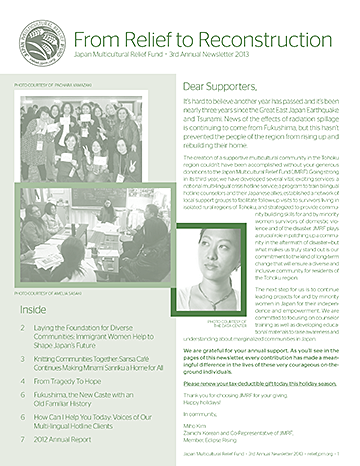
2011 Newsletter

Make a Donation

Donate Online

DonateNow

Donate by Check

Donation checks can be sent to:
JPRN
310 8th Street, Suite 305A, Oakland, CA 94607

Important!!

  1. Please make your check payable to JPRN! We cannot deposit checks written to Japan Multicultural Relief Fund, as it is a Fund setup within JPRN as the administrator for the Fund.
  2. Please make a note for "Japan Multicultural Relief Fund" in the "Memo" line of your check.

Your charitable contribution is tax-deductible to the fullest extent allowed by law. JPRN's Federal ID # is 94-3008480.